
Next step
Harm Reduction Solution
Review the solution path for public-health and harm-reduction vending deployments.
View harm reduction solutionNarcan deployment teams do not need marketing fluff. They need a machine plan that can hold up to grant reporting, staffing reality, public access expectations, and the unpleasantly practical question of who gets the alert when the cabinet runs low at the wrong moment.
This guide explains where narcan vending machine deployment fits in a live deployment, what usually goes wrong first, and why start with the public-health model, not the cabinet tends to shape the next buying decision more than a glossy feature list ever will.
Use it when the conversation has moved beyond light research and someone now needs a practical brief they can carry into compatibility review, procurement, or rollout planning.
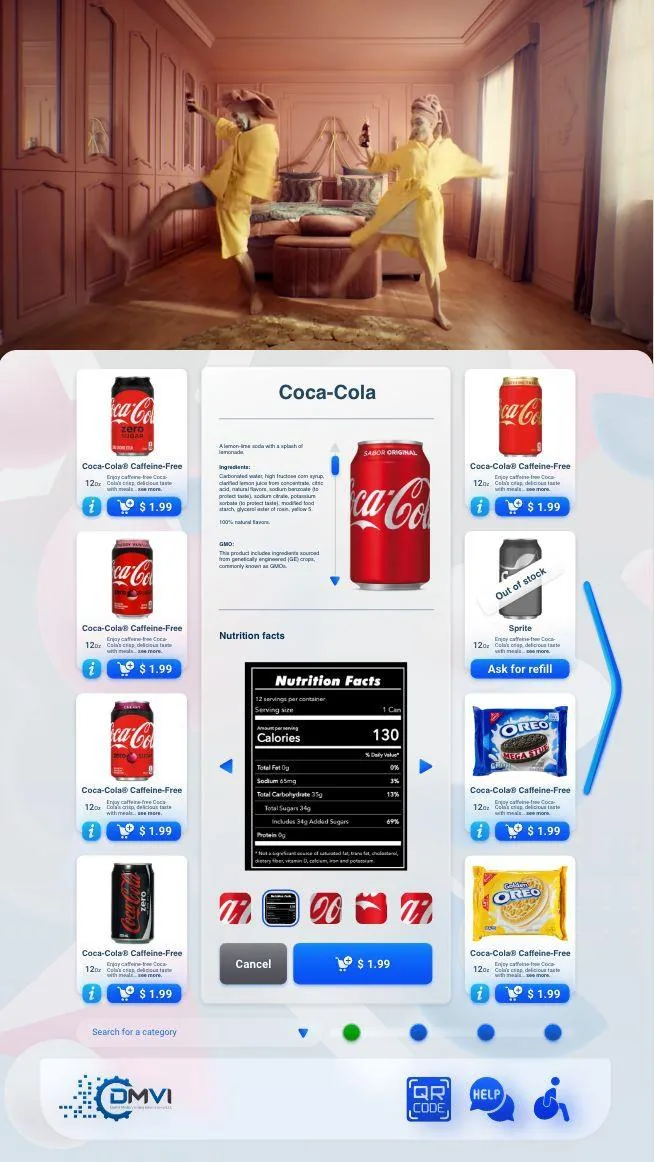
Narcan deployment planning for public-health vending operations affects more than headline positioning. It changes rollout sequencing, workflow ownership, and which assumptions need to be confirmed before money or hardware is committed.
This guide walks through narcan vending machine deployment in operational terms, with particular attention to start with the public-health model, not the cabinet and the surrounding decisions buyers usually need answered before the project can move forward.
The goal is to give operations, procurement, compliance, and implementation stakeholders a shared working brief instead of leaving each team to infer the hard bits separately.
When the project is ready, the same questions can be carried directly into a scoped demo or compatibility review with the machine model, region, and deployment objective already defined.
A Narcan vending deployment is not primarily a hardware purchase. It is a public-health access model that needs named ownership, funding logic, stocking rules, community trust, and a clear answer to who responds when the machine is empty or offline at the wrong moment.
That framing matters because many programmes get most excited about the machine itself and not nearly excited enough about the operating commitments around it. The result is a well-meaning launch that struggles once the ribbon-cutting is over and real maintenance begins.
Narcan vending works best when it reduces friction for people who may not want a staffed interaction, who need access outside normal business hours, or who are more likely to take supplies if the process feels discreet and predictable. That low-barrier design is the reason many public-health teams consider unattended access in the first place.
But low-barrier does not mean thoughtless. Teams still need to decide whether the machine is fully anonymous, code-based, campus-restricted, or tied to some other access model, because every extra step can improve reporting while also reducing uptake.
Placement should be driven by overdose burden, access gaps, host-site fit, and the practical ability to restock and monitor the machine consistently. A cabinet in the wrong location can look innovative while quietly underperforming because the community that needs it does not trust it, cannot reach it, or does not know it is there.
Restocking and expiration management deserve their own operating plan. The most fragile Narcan projects are often the ones where everyone supports the idea in theory but no one owns refill cadence, product rotation, machine checks, or alert response in practice.
Many Narcan deployments are funded or justified through grants, opioid-settlement programmes, or institutional public-health mandates. That means outputs such as kits dispensed, stockouts, downtime, refill frequency, and geographic reach need to be defined early enough for the software and operating workflow to support them cleanly.
The point is not to bury a harm-reduction programme in paperwork. It is to avoid the common trap where the machine is live, the demand is real, and the team still cannot answer the basic questions funders or internal stakeholders ask about usage, reliability, and coverage.
A Narcan machine should not function as a silent cabinet that drops supplies and hopes for the best. Good deployments pair the physical machine with clear overdose-response instructions, multilingual materials where appropriate, links to local treatment or support resources, and outreach so the intended users actually know the programme exists.
That is also why the strongest operators resist the fantasy that installation alone creates utilisation. Community partners, shelters, campuses, libraries, health agencies, and host sites usually need a light but deliberate awareness plan if the machine is meant to become part of the local harm-reduction fabric.
A serious pilot should show more than the machine turning on and dispensing product. It should test siting assumptions, restock cadence, access friction, reporting quality, and whether the host organisation can keep the cabinet live without heroic effort from one enthusiastic person.
If those basics hold, expansion becomes much easier to justify. If they do not, the lesson is still valuable because it points to the real fix, whether that is relocation, different operating ownership, better signage, or a lower-friction access model.
Most vending deployments succeed when the operator treats this topic as part of a wider operating model instead of a standalone feature request. That means machine compatibility, workflow ownership, reporting expectations, and rollout sequencing should all be reviewed together rather than in separate disconnected conversations.
Buyers also benefit from documenting what must be true on day one, what can be phased in later, and which assumptions still need confirmation from hardware, payment, or compliance stakeholders. That level of clarity shortens implementation cycles and prevents expensive rework after the machine is already live.
In practical terms, the strongest next step is usually a compatibility review or a scoped demo with the machine type, rollout geography, and business objective already defined. That gives DMVI enough context to answer the real question, not just the headline version of it.
Teams that document those answers early also make the project easier for procurement, operations, finance, and implementation partners to evaluate. Clear documentation becomes especially valuable when multiple vendors, venues, or regulators are involved because everyone can work from the same operating assumptions instead of inventing them as the project moves.
Use this checklist to pressure-test the deployment before money, hardware, or procurement time is committed.
Use the related pages below to move from research into the right product or deployment conversation.
The strongest deployments assign clear ownership across stocking, reporting, uptime monitoring, and response to alerts. Without named ownership, the cabinet often becomes everyone’s project and no one’s responsibility.
They should define what has to be reported, how often, who receives the reports, and whether funders or oversight bodies expect dispense counts, stock levels, downtime reporting, or location-specific performance.
Absolutely. Placement affects visibility, security, restocking access, connectivity, and how quickly staff can respond when the machine runs low or needs service.
Yes. Many programs start with one or a few placements, then expand once they understand refill cadence, reporting needs, and what kind of operational support the real environment demands.
Programs often focus on getting the cabinet placed and funded but do not define ongoing monitoring, stock ownership, or reporting discipline clearly enough to keep the deployment healthy after the launch moment passes.
Yes. Unattended access does not remove the need for monitoring, refill planning, connectivity checks, and clear accountability when the machine goes offline or stock drops unexpectedly.
Bring the intended location type, access model, reporting requirements, funding context, expected operating owner, and any machine shortlist already under consideration.
Once the team understands the site type and reporting expectations, a workflow demo becomes the fastest way to pressure-test how monitoring, alerts, and operational ownership would work in practice.
Move from research into the product, solution, or compatibility page that best matches the machine and deployment you are actually planning.