
VendingTracker vs Nayax: How the Platforms Compare
The VendingTracker versus Nayax conversation usually starts as a payments question and then turns into a software question a few minutes later.
Buyers want to know whether they are choosing a broader vending operating layer or anchoring the project around a payment-led ecosystem with VMS capabilities attached.
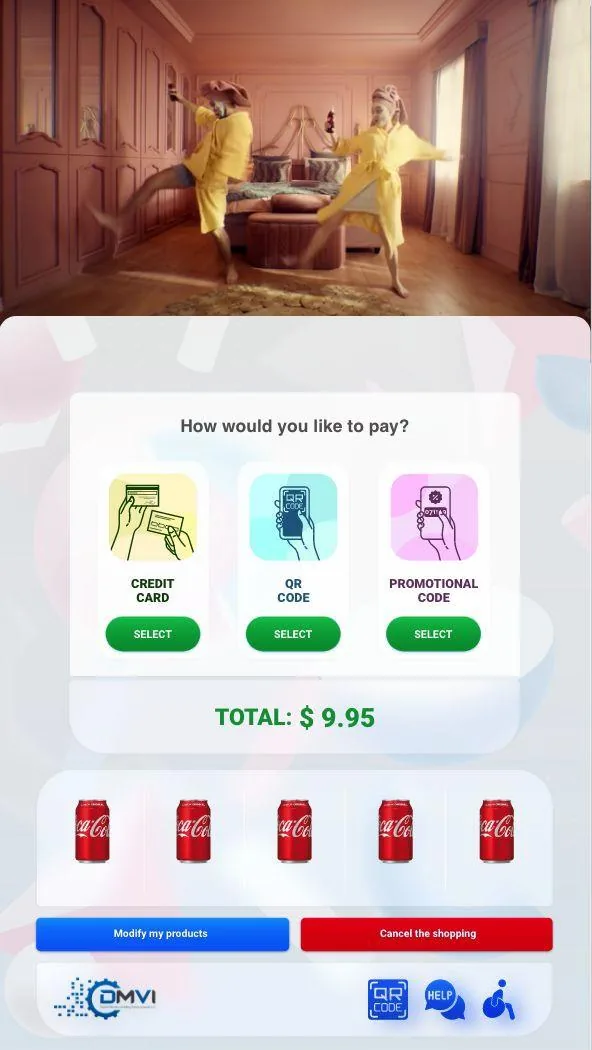
Where the platforms separate
Nayax is widely recognized for payments and payment-adjacent hardware, so it remains a natural comparison point for operators whose first pain point is card acceptance. VendingTracker becomes more compelling when the buyer wants the platform story to lead, with payments sitting inside a wider machine, branding, and workflow stack.
That makes this a question of operating model, not merely a question of terminal compatibility.
| Area | VendingTracker | Competitor |
|---|---|---|
| Hardware approach | Machine-agnostic with smart-machine support and retrofit paths | Often evaluated as part of a payment-led hardware ecosystem |
| Brand control | Theme Manager and white-label support | Branding story is usually secondary to payments and ecosystem services |
| Regulated workflows | Cannabis, harm reduction, age-restricted deployment support | Regulated workflow positioning is more limited |
| Retrofit story | MDB and Pulse modernization path | Payment retrofit is stronger than broader machine-side software modernization |
| Best fit | Buyers wanting a broader software operating layer beyond payments | Buyers primarily optimizing for the competitor payment ecosystem |
Where VendingTracker differs
VendingTracker leads with the broader machine-side operating model, not just the payment story.
That difference matters most when a buyer wants one software layer across smart machines, older cabinets, branded experiences, and deployment-specific workflows instead of a narrower hardware-tied path.
Who Nayax may suit better
If the project is primarily a payment-hardware decision and the buyer is comfortable with that ecosystem, the competitor may remain a fit.
That is worth stating plainly because honest comparison pages convert better than chest-beating ones. The right software depends on the machine estate, the deployment geography, and the level of customization required.
FAQ
Is Nayax best understood as a payments company first or a VMS first?
For many operators it is a payments-first comparison, which is why the VendingTracker versus Nayax conversation usually starts around terminals and then broadens into platform questions.
When is VendingTracker a better fit than Nayax?
When the buyer wants the machine-side operating layer, branding control, retrofit scope, and deployment workflow to lead the decision rather than letting the payments ecosystem define the whole project.
Does this comparison mainly come down to card-reader compatibility?
No. Card acceptance matters, but the bigger question is whether the business is choosing a broader vending platform or a payment-led ecosystem with VMS capabilities attached.
Can VendingTracker still make sense if an operator already uses Nayax hardware?
Sometimes yes, but the answer depends on the machine estate, current payment configuration, and how much of the rollout needs to extend beyond payment acceptance into wider operational control.
How should buyers think about Nayax in retrofit projects?
Nayax may solve payment concerns cleanly, but retrofit projects often need a wider review covering machine-side UX, controller path, reporting, and workflow fit, which is where the comparison changes.
Who may still prefer Nayax?
A buyer whose primary goal is to stay inside a payment-hardware ecosystem they already trust may reasonably keep that posture if broader machine-side software flexibility is not the priority.
Where does VendingTracker create more separation from Nayax?
In branded UX, white-label programs, mixed-machine strategy, regulated deployments, and cases where the buyer wants a broader operating system than a payments-led stack typically provides.
What should be reviewed in a VendingTracker versus Nayax demo?
The buyer should review payment flow, machine behavior, monitoring, branding control, retrofit scope, and what the wider platform can do once the payment question stops being the only issue.
Compare Nayax against your real machine estate
The useful next step is not another abstract feature chart. It is a workflow and compatibility review grounded in your current machines, payment stack, and rollout goal.