
VendingTracker vs Parlevel: How the Platforms Compare
Parlevel comparisons usually come from operators who want a familiar VMS shape but are not sure whether that conventional framing covers what their next phase actually requires.
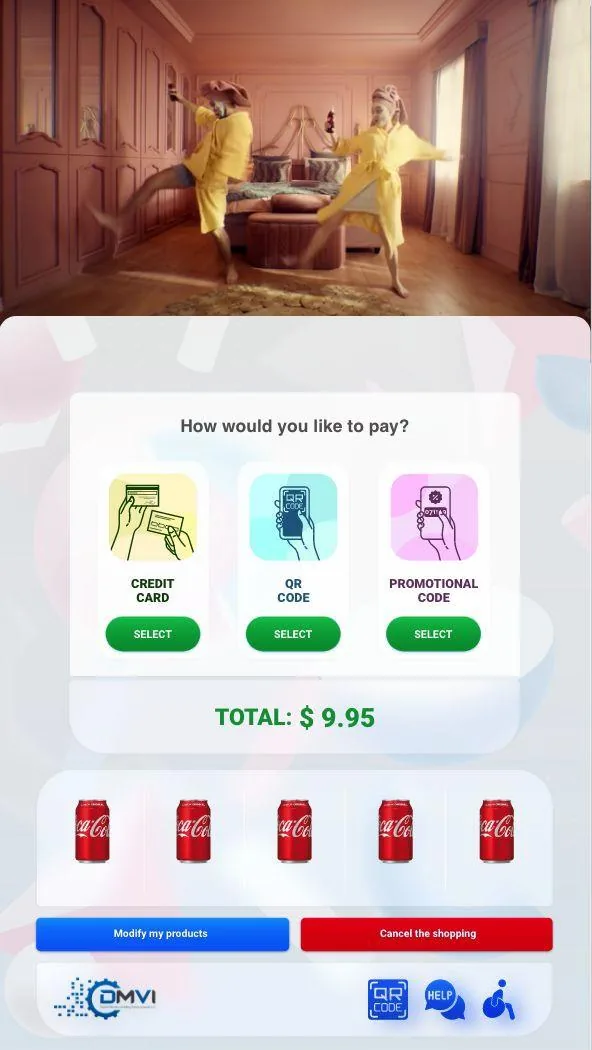
VendingTracker tends to appeal when retrofit modernization, branded machine UX, or more specialized deployment types need to sit alongside standard monitoring and reporting.
Where the platforms separate
Parlevel remains a recognizable name in the VMS space, especially for buyers who want a fairly conventional platform lens. VendingTracker is the stronger contrast when the operator wants to push beyond classic vending reporting into retrofit, theme control, mixed-machine flexibility, or regulated deployment support.
That makes this comparison about strategic fit, not just about which dashboard looks more familiar on day one.
| Area | VendingTracker | Competitor |
|---|---|---|
| Hardware approach | Machine-agnostic with smart-machine support and retrofit paths | More traditional VMS positioning |
| Brand control | Theme Manager and white-label support | Brand-control story is generally less central |
| Regulated workflows | Cannabis, harm reduction, age-restricted deployment support | Less explicit focus on regulated verticals |
| Retrofit story | MDB and Pulse modernization path | Retrofit-led SEO and positioning are not as central |
| Best fit | Buyers wanting a machine-agnostic, retrofit-capable, more deployment-flexible platform | Buyers satisfied with a more conventional VMS framing |
Where VendingTracker differs
VendingTracker leans harder into retrofit modernization, branded machine UI, and adjacent deployment types beyond standard operator reporting.
That difference matters most when a buyer wants one software layer across smart machines, older cabinets, branded experiences, and deployment-specific workflows instead of a narrower hardware-tied path.
Who Parlevel may suit better
If the buyer wants a straightforward traditional VMS and the competitor already fits the fleet well, it may remain a valid option.
That is worth stating plainly because honest comparison pages convert better than chest-beating ones. The right software depends on the machine estate, the deployment geography, and the level of customization required.
FAQ
Why is Parlevel a familiar comparison for conventional vending software buyers?
Because it fits the shape of a traditional VMS conversation and is recognizable to operators who want a standard reporting-and-management lens before they ask whether they need more than that.
How does the 365 Retail Markets connection affect the Parlevel comparison?
It matters because some buyers want to know whether the platform direction is still centered on the vending workflow they run or whether the broader retail context changes the fit.
When does VendingTracker usually win against Parlevel?
When the operator wants stronger retrofit modernization, branded machine UX, Theme Manager control, or a broader deployment story than a conventional VMS framing usually provides.
Who may still be happy with Parlevel?
Buyers satisfied with a more conventional VMS posture and not looking for much beyond standard monitoring, reporting, and familiar operator workflows may still find it adequate.
Does this comparison matter most for mixed fleets?
Mixed fleets are certainly one of the places where it matters, because they often expose whether the platform can flex across different machine types and modernization paths.
Can VendingTracker support operators moving away from a traditional Parlevel-style posture?
Yes, especially where the next phase involves retrofit, shopper-facing UX changes, more branding, or deployment types that sit outside the usual standard-operator story.
Where is the biggest difference between Parlevel and VendingTracker?
The biggest difference is strategic scope: VendingTracker leans further into machine-side UX, branded experiences, retrofit work, and specialized deployment types instead of staying inside a narrower classic VMS lane.
What should an operator bring into a Parlevel comparison review?
Bring machine models, current software pain points, route and reporting priorities, and any goals around modernization, branding, or deployment flexibility that are pushing the business to compare alternatives.
Compare Parlevel against your real machine estate
The useful next step is not another abstract feature chart. It is a workflow and compatibility review grounded in your current machines, payment stack, and rollout goal.