
Next step
OEM & White-Label Workflows
See the main OEM and white-label page for branding scope, rollout fit, and commercial context.
See OEM workflowsOEM teams do not need generic software with a logo dropped on top. They need a platform they can brand, package, support, and sell without inheriting a second product problem every time a customer asks for a different workflow or machine configuration.
This guide explains where white label vending software fits in a live deployment, what usually goes wrong first, and why what oem teams actually mean by white-label software tends to shape the next buying decision more than a glossy feature list ever will.
Use it when the conversation has moved beyond light research and someone now needs a practical brief they can carry into compatibility review, procurement, or rollout planning.
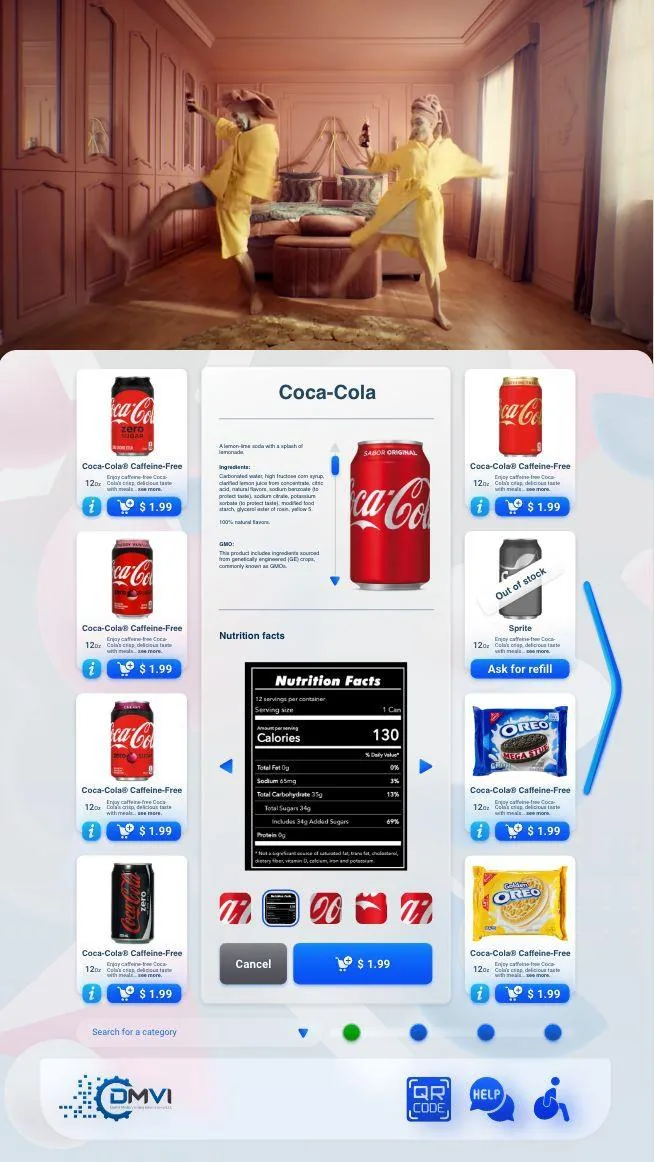
White-label vending software for OEM evaluation affects more than headline positioning. It changes rollout sequencing, workflow ownership, and which assumptions need to be confirmed before money or hardware is committed.
This guide walks through white label vending software in operational terms, with particular attention to what oem teams actually mean by white-label software and the surrounding decisions buyers usually need answered before the project can move forward.
The goal is to give operations, procurement, compliance, and implementation stakeholders a shared working brief instead of leaving each team to infer the hard bits separately.
When the project is ready, the same questions can be carried directly into a scoped demo or compatibility review with the machine model, region, and deployment objective already defined.
Most OEM buyers are not asking for a logo swap and a sales brochure. They are asking for a platform they can brand, package, support, and take to market without accidentally inheriting a second software company every time a customer asks for a different machine workflow or interface treatment.
That is why white-label and OEM conversations have to get specific quickly. The useful questions are about surfaces, configuration depth, release management, support ownership, and what happens when multiple downstream customers need different branded experiences on the same software core.
A vending platform can look very brandable in a demo and still become a maintenance nightmare if every meaningful change requires a code fork or a professional-services project. OEM buyers should therefore ask which surfaces are configurable without breaking the main product line and which requests would still create long-term product sprawl.
The machine-side UI, dashboard, customer notifications, onboarding documents, and support paths all influence whether the end customer experiences the platform as a coherent OEM product or as borrowed software wearing a costume.
Branding is commercially useless if the fleet cannot be monitored, updated, or supported cleanly. OEM teams should review machine compatibility, telemetry depth, payment options, role-based access, integration scope, and how the software behaves across mixed machine environments before they get too excited about colour palettes and themes.
This is where the white-label conversation becomes more serious than design language. A configurable platform with strong machine support and clear integration boundaries will usually create more long-term value than a prettier system that collapses under real deployment diversity.
Many OEM relationships become painful not because the original deal was bad, but because no one defined who owns updates, testing, bug triage, branded variants, and customer escalation after launch. The vendor may think it is shipping software. The OEM may think it is shipping a product. If those assumptions stay vague, every urgent issue turns into an argument about responsibility.
The best OEM buyers therefore ask how releases are validated, what happens to branded variants when the core platform changes, how incidents are prioritised, and whether the support posture is direct, shared, or channel-led. Those details are tedious, which is precisely why they matter.
White-label deals can be structured in many ways, from per-machine fees to fixed licensing, revenue share, or hybrids. The important point is not to find the prettiest spreadsheet but to make sure the OEM can still protect margin, forecast support burden, and avoid a pricing model that punishes growth or forces awkward customer packaging decisions later.
This is also where off-boarding, data ownership, domain control, and customer relationship boundaries should be settled. If the partnership changes or ends, the OEM needs to know what can move, what stays behind, and how painful the transition would be.
An OEM-ready platform should let the buyer walk through branding control, machine support, tenant structure, release management, and commercial packaging in one coherent story. If the answer to most questions is “that would need custom work”, the buyer is not looking at a scalable OEM foundation so much as a consulting dependency with a nice skin on top.
That is the litmus test worth keeping. OEM teams do not need generic software that can technically be relabelled. They need software that can be packaged and operated as a product without turning every new customer request into a mini reinvention of the platform.
Most vending deployments succeed when the operator treats this topic as part of a wider operating model instead of a standalone feature request. That means machine compatibility, workflow ownership, reporting expectations, and rollout sequencing should all be reviewed together rather than in separate disconnected conversations.
Buyers also benefit from documenting what must be true on day one, what can be phased in later, and which assumptions still need confirmation from hardware, payment, or compliance stakeholders. That level of clarity shortens implementation cycles and prevents expensive rework after the machine is already live.
In practical terms, the strongest next step is usually a compatibility review or a scoped demo with the machine type, rollout geography, and business objective already defined. That gives DMVI enough context to answer the real question, not just the headline version of it.
Teams that document those answers early also make the project easier for procurement, operations, finance, and implementation partners to evaluate. Clear documentation becomes especially valuable when multiple vendors, venues, or regulators are involved because everyone can work from the same operating assumptions instead of inventing them as the project moves.
Use this checklist to pressure-test the deployment before money, hardware, or procurement time is committed.
Use the related pages below to move from research into the right product or deployment conversation.
They usually mean a platform they can present as part of their own product offer, with branded machine UI, coherent support expectations, and a commercial model that does not make every customization request painful.
Because OEM buyers are usually accountable for the whole customer experience. They need branding control, packaging discipline, and workflow flexibility, not just a superficial visual skin.
It is central because it helps control the shopper-facing machine experience without forcing every new branded deployment into an expensive rebuild.
Yes, but only if the platform is designed to handle mixed machine realities rather than assuming one cabinet, one use case, and one default customer journey.
Bring the target machine family, customer type, branding requirements, rollout scale, support expectations, and any questions about how product ownership will be divided.
Usually yes. OEM projects often involve packaging, support, branding, and integration scope that go beyond what a standard operator deployment would require.
Choosing a platform that looks easy in a demo but becomes awkward the moment an end customer asks for a different machine behavior, UI path, or deployment-specific requirement.
Once the OEM team has defined the product vision well enough to evaluate branding control, workflow flexibility, and how the platform would be packaged into a real commercial offer.
Move from research into the product, solution, or compatibility page that best matches the machine and deployment you are actually planning.