
VendingTracker vs VendMAX: How the Platforms Compare
VendMAX comparisons usually come from operators who know the older vending-software lane well and want to judge whether a legacy workflow still serves the business they are running now.
VendingTracker tends to win that conversation when retrofit strategy, branded UX, or multi-mode deployments matter more than staying inside a familiar legacy posture.
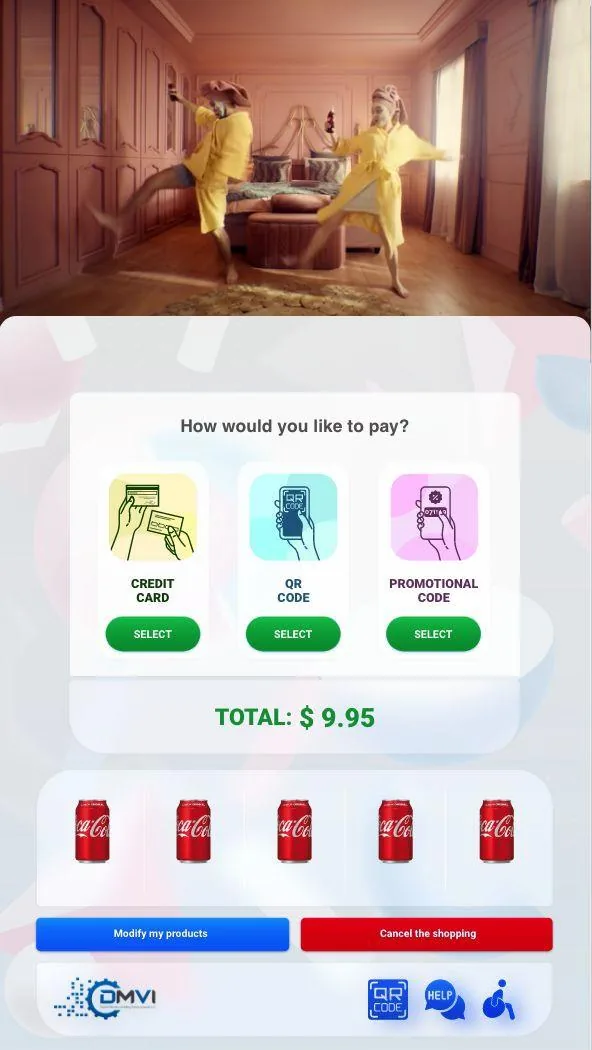
Where the platforms separate
VendMAX carries a more traditional operator-software heritage, which can still suit fleets that do not need much beyond that lane. VendingTracker is positioned for buyers who want the software layer to stretch further into machine-side UX, retrofit modernization, and more specialized deployment stories.
In practice, the decision comes down to whether the business wants incremental continuity or a platform with more room to evolve the machine experience.
| Area | VendingTracker | Competitor |
|---|---|---|
| Hardware approach | Machine-agnostic with smart-machine support and retrofit paths | More operator-software focused with a different machine and route heritage |
| Brand control | Theme Manager and white-label support | Less emphasis on white-label machine UX |
| Regulated workflows | Cannabis, harm reduction, age-restricted deployment support | Less explicit regulated-vertical positioning |
| Retrofit story | MDB and Pulse modernization path | Retrofit-led marketing is less central |
| Best fit | Buyers who want mixed-fleet, OEM, retrofit, and regulated deployment breadth | Traditional operator workflows where the competitor already fits the estate |
Where VendingTracker differs
VendingTracker gives more emphasis to machine-side UI, retrofit scope, and adjacent regulated deployment use cases.
That difference matters most when a buyer wants one software layer across smart machines, older cabinets, branded experiences, and deployment-specific workflows instead of a narrower hardware-tied path.
Who VendMAX may suit better
A buyer whose entire workflow already maps cleanly to the competitor traditional operator model may prefer that route.
That is worth stating plainly because honest comparison pages convert better than chest-beating ones. The right software depends on the machine estate, the deployment geography, and the level of customization required.
FAQ
Why is VendMAX usually described as a more legacy or traditional comparison point?
Because it sits closer to an older operator-software lane, which can still work for some fleets but does not always stretch cleanly into modern machine-side UX, retrofit, or deployment-specific workflow needs.
When does VendingTracker beat VendMAX most clearly?
Usually when the operator needs retrofit modernization, branded machine UI, or a platform that can support more than a conventional route-and-reporting software posture.
Is this a cloud-native versus legacy workflow comparison?
In many cases, yes. Buyers are often really asking whether their business still fits a more traditional software model or needs a broader modern operating layer.
Can VendMAX still be the right choice for some fleets?
Yes. If the estate and workflow already map cleanly to that traditional model and the operator does not need much beyond it, staying there may be reasonable.
How should buyers compare historical data migration from VendMAX?
They should look at the exact reporting history they need to preserve, the machine mix, and whether the move is a simple software change or part of a wider modernization program.
Does VendingTracker offer more room for machine-side branding than VendMAX?
Yes. Theme Manager, white-label positioning, and broader machine UX control are much more central to the VendingTracker story.
Where does retrofit matter most in this comparison?
It matters whenever older cabinets, controller replacement, or modernization strategy are part of the project, because that is where the traditional-operator-software comparison often stops being enough.
What should an operator bring into a VendMAX comparison call?
Bring the current machine estate, route workflow pain points, reporting expectations, and any modernization goals that go beyond simply keeping the familiar software posture in place.
Compare VendMAX against your real machine estate
The useful next step is not another abstract feature chart. It is a workflow and compatibility review grounded in your current machines, payment stack, and rollout goal.