
VendingTracker vs VendSoft: How the Platforms Compare
VendSoft is one of the stronger content competitors in the category, so buyers comparing it with VendingTracker are usually doing real homework rather than casually browsing.
The useful question is where a conventional operator dashboard is enough and where a broader machine-side, retrofit, or regulated deployment story starts to matter commercially.
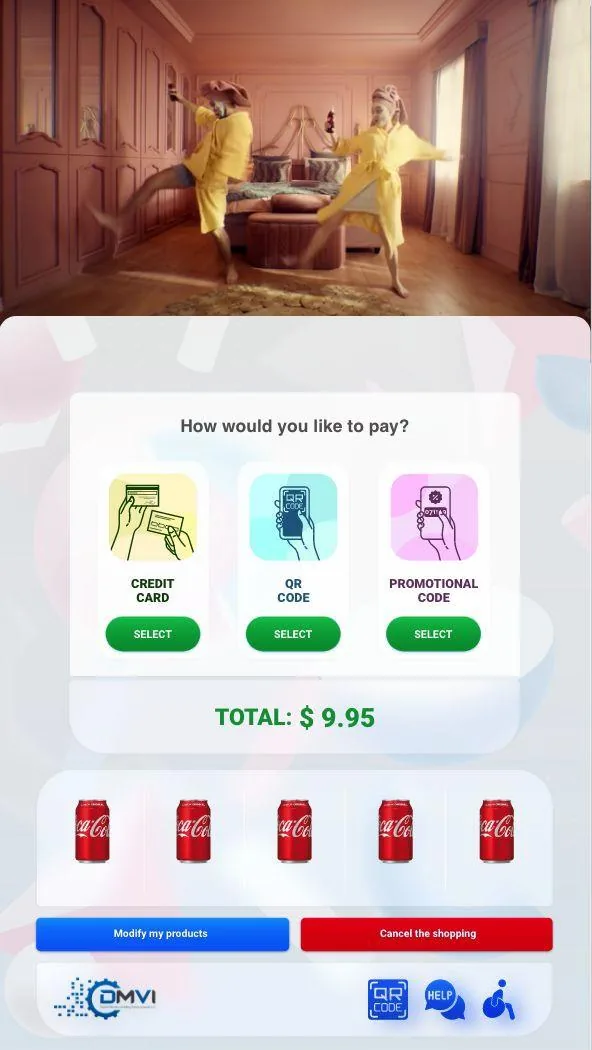
Where the platforms separate
VendSoft is a credible operator-software benchmark, particularly for buyers looking for a straightforward VMS conversation. VendingTracker starts to separate when the deployment needs stronger branding control, a more explicit retrofit path, or vertical workflows that sit outside the usual “standard operator dashboard” brief.
That distinction matters because the wrong software fit often looks fine in a feature list and only becomes painful once the rollout asks for something more custom.
| Area | VendingTracker | Competitor |
|---|---|---|
| Hardware approach | Machine-agnostic with smart-machine support and retrofit paths | More classic operator-software position |
| Brand control | Theme Manager and white-label support | Less central emphasis on Theme Manager and white-label machine UI |
| Regulated workflows | Cannabis, harm reduction, age-restricted deployment support | Less centered on regulated or public-health deployments |
| Retrofit story | MDB and Pulse modernization path | Less positioned around retrofit modernization as a primary landing story |
| Best fit | Buyers needing stronger machine-side UI, branding, retrofit, or regulated workflow coverage | Buyers wanting a simpler traditional operator software posture |
Where VendingTracker differs
VendingTracker is framed as a broader operating layer that includes machine UX, retrofit work, and specialized deployment stories.
That difference matters most when a buyer wants one software layer across smart machines, older cabinets, branded experiences, and deployment-specific workflows instead of a narrower hardware-tied path.
Who VendSoft may suit better
If the buyer wants a more conventional operator dashboard and does not need the broader deployment story, the competitor may still fit.
That is worth stating plainly because honest comparison pages convert better than chest-beating ones. The right software depends on the machine estate, the deployment geography, and the level of customization required.
FAQ
Why do serious buyers compare VendingTracker with VendSoft?
Because VendSoft is one of the better-known software names in the category, so operators often compare the two when they are doing actual platform homework rather than casually browsing features.
When does VendingTracker usually separate from VendSoft?
When the buyer needs a broader machine-side story, stronger branding control, more explicit retrofit coverage, or vertical workflows such as cannabis, harm reduction, or OEM packaging.
Is VendSoft a stronger fit for traditional operator dashboards?
It can be, particularly for buyers who want a more conventional VMS shape and do not need the broader deployment flexibility that VendingTracker emphasizes.
How should buyers compare content depth versus product fit in this matchup?
They should not mistake stronger content marketing for stronger rollout fit. The real test is how each platform handles the machines, workflows, and commercial demands in the actual deployment being planned.
Can VendingTracker cover things VendSoft buyers may still need later?
Yes. That is part of the point of the comparison, especially where branding, mixed fleets, regulated use cases, or more custom machine experiences are likely to show up after the initial software decision.
Who may still prefer VendSoft?
A buyer wanting a simpler traditional operator-software posture and not expecting broader machine-side customization or specialized deployment stories may still prefer it.
Where does VendingTracker create the strongest strategic difference?
In Theme Manager, white-label and OEM readiness, dynamic QR and adjacent shopper-facing workflows, and deployment types that extend beyond a classic operator dashboard brief.
What should be tested in a VendingTracker versus VendSoft demo?
The buyer should compare route workflow, reporting, branding control, retrofit handling, machine-side UX, and whether each platform can support the real next phase of the business rather than only the current one.
Compare VendSoft against your real machine estate
The useful next step is not another abstract feature chart. It is a workflow and compatibility review grounded in your current machines, payment stack, and rollout goal.