
VendingTracker vs Cantaloupe: How the Platforms Compare
Operators usually compare VendingTracker and Cantaloupe when they want to know whether they need a hardware-adjacent ecosystem or a more machine-agnostic software layer.
That decision tends to hinge on retrofit flexibility, branding control, and whether the operator wants the software to adapt to the fleet rather than the other way around.
Where the platforms separate
Cantaloupe is often evaluated by operators who already know the Seed ecosystem or are comfortable with a tighter hardware-commercial relationship. VendingTracker enters the picture when the buyer wants broader retrofit freedom, more control over the machine experience, or a cleaner path across mixed fleets.
The practical comparison is less about generic feature parity and more about whether the business wants to standardize on the competitor ecosystem or keep more room to shape the deployment around its own machines and workflow.
| Area | VendingTracker | Competitor |
|---|---|---|
| Hardware approach | Machine-agnostic with smart-machine support and retrofit paths | Typically associated with a more hardware-adjacent ecosystem |
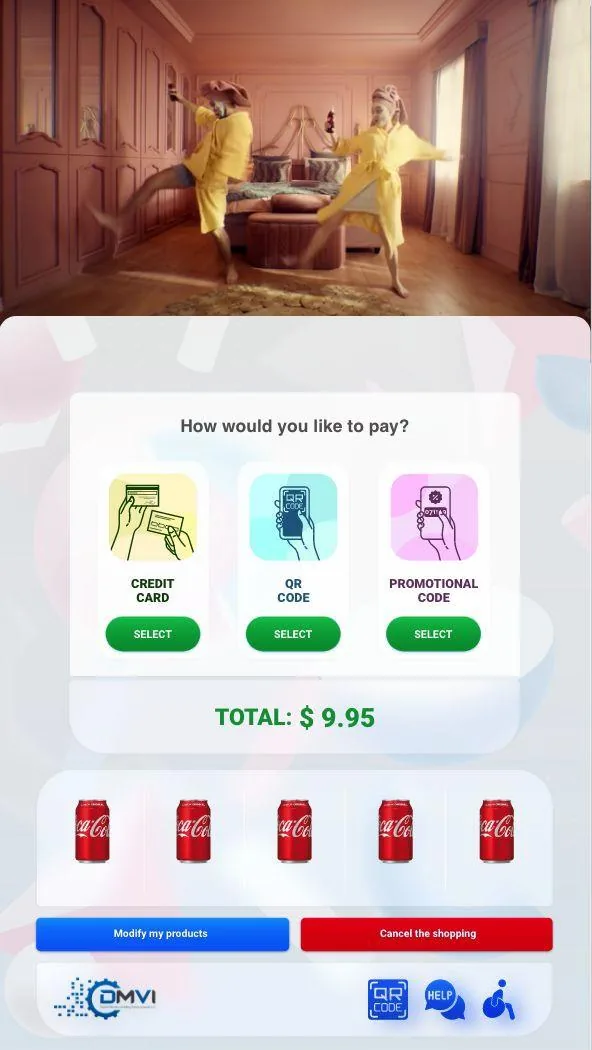
| Brand control | Theme Manager and white-label support | Usually less centered on deep branded UI control |
| Regulated workflows | Cannabis, harm reduction, age-restricted deployment support | Not positioned around regulated vertical deployment stories in the same way |
| Retrofit story | MDB and Pulse modernization path | Retrofit breadth is not the primary brand story |
| Best fit | Operators needing mixed-fleet flexibility, retrofit scope, and branded or regulated workflows | Operators already aligned to the competitor ecosystem and commercial model |
Where VendingTracker differs
VendingTracker is positioned around machine-agnostic mixed fleets, retrofit work, Theme Manager, and deployment-specific workflows rather than a narrower hardware-adjacent lane.
That difference matters most when a buyer wants one software layer across smart machines, older cabinets, branded experiences, and deployment-specific workflows instead of a narrower hardware-tied path.
Who Cantaloupe may suit better
A buyer already standardized on that ecosystem and happy with its hardware and commercial model may prefer to stay there.
That is worth stating plainly because honest comparison pages convert better than chest-beating ones. The right software depends on the machine estate, the deployment geography, and the level of customization required.
FAQ
Is Cantaloupe mainly a hardware-led ecosystem comparison?
In many buying conversations, yes. Operators often reach Cantaloupe through the Seed hardware and payments ecosystem, then assess whether that tighter stack is a benefit or a constraint.
When does VendingTracker usually beat Cantaloupe in a comparison?
Usually when the operator wants broader retrofit flexibility, more control over the shopper-facing machine UX, or a platform that is less tied to one hardware-commercial posture.
Does Cantaloupe’s Seed ecosystem matter in this evaluation?
Yes. It is one of the clearest practical distinctions in the comparison because some buyers like the tighter ecosystem while others want more freedom across mixed machine estates.
How should buyers compare pricing between VendingTracker and Cantaloupe?
They should compare the full commercial model, not just software headlines. Hardware assumptions, payment relationships, retrofit scope, and customization needs all shape the real spend.
Can VendingTracker support fleets that already use hardware often associated with Cantaloupe?
Sometimes yes, but the right answer depends on the exact machine, payment terminal, and whether the project is a straightforward migration or a wider modernization effort.
Who is most likely to stay with Cantaloupe?
Operators already aligned to that ecosystem and comfortable with its hardware-commercial model may sensibly stay there if the broader deployment requirements are still being met.
Where does VendingTracker create more room than Cantaloupe?
In retrofit-led projects, branded machine UI, regulated deployment stories, and mixed-fleet cases where the operator does not want the platform decision to collapse into a hardware lock-in conversation.
What should an operator bring into a VendingTracker versus Cantaloupe review?
Bring machine models, current hardware stack, payment setup, fleet size, and the real reason for considering a change, whether that is flexibility, cost, branding, or rollout fit.
Compare Cantaloupe against your real machine estate
The useful next step is not another abstract feature chart. It is a workflow and compatibility review grounded in your current machines, payment stack, and rollout goal.